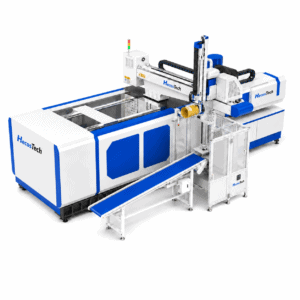
An IML robot changeover is the coordinated change of mold, label handling, end-of-arm tooling, operating program and downstream setup when a production cell moves to another packaging format. It is not simply a label artwork change or a robot program selection. The next mold and container must fit the robot, injection molding machine and handling equipment as a complete application.
This article covers planning and engineering review for an existing or proposed multi-format cell. It is not a machine operating or maintenance procedure. Installation, adjustment and restart must be handled by qualified personnel following the equipment manufacturer’s instructions and the site’s safety procedures. Do not bypass guards or interlocks to complete a changeover.

Define What Changes Between the Two Formats
Start with the current container and the next container, rather than assuming that similar capacity means similar automation. Compare the product drawings, label drawings, mold layout and machine details side by side. A cup-to-cup change may still involve a different label shape, cavity arrangement or stacking requirement; moving between cups, lids and buckets requires its own review.
Keep a simple format record with the current and proposed values, the equipment affected and the person responsible for confirming each change. Mark unknown information as unconfirmed. This separates items that can remain from items that need new tooling, settings or further evaluation.
- Product and mold: container dimensions, cavity count and layout, mold opening and available access.
- Label: dimensions, shape, material and the surfaces that will be decorated.
- Robot and tooling: travel, load, label placement and product takeout requirements.
- Machine and downstream equipment: interface, cycle sequence, stacking, conveying and any inspection requirement.
For a new complete-cell purchase rather than a format change, use the separate IML automation project scoping checklist. Its purpose is to define the original supply boundary.
Review Mold Access and Robot Travel
One robot may support different molds only when its travel, load, machine clearance and control sequence meet each application. Check the next mold’s cavity arrangement and the space needed for label placement and molded-part removal. The number of cavities alone does not establish suitability: the tooling must reach the intended positions and leave the mold area within the agreed sequence.
A side entry IML robot for multi-cavity packaging should therefore be reviewed against the actual mold and machine together. Record the mold drawing revision and access information used in the assessment. If these are missing, keep compatibility open instead of treating the existing robot model as approval for the new format.
Match Label Magazines and Placement Tooling
Different products normally require matched label magazines and end-of-arm tooling. Review how the next label will be held, picked up and positioned against the new container geometry. Confirm the label drawing and material with the relevant suppliers; do not treat a label with a similar appearance as interchangeable.
Separate an artwork-only change from a change in label dimensions, material or coverage. The latter may affect the magazine, pickup arrangement and placement settings. Even for an artwork-only change, confirm that the actual supplied label specification remains the same. Keep the applicable label and tooling information associated with the correct product and mold.
The IML mold and label-placement relationship is part of this review. The tooling, label and container should be assessed together, not as independent replacements.
Confirm the Machine Interface and Operating Program
Different molds and products can require matched operating programs and positioning settings. Review which program and tooling belong to the next format, along with the mold-open access, robot entry and exit, product removal and downstream hand-off sequence. An existing successful format is useful reference information, but it does not validate a different one.
For IML robot integration with an injection molding machine, interface documentation and the actual machine specification remain necessary. An interface designation alone does not confirm the mechanical fit or the complete operating sequence. Have the equipment suppliers or qualified integration personnel resolve any uncertainty before production use.
Keep this as a documented engineering check, not an instruction to copy settings from another cell. This article does not prescribe wiring changes, motion values, safety settings or a universal restart sequence.
Include Takeout, Stacking and Conveying
A format change continues beyond label placement. The next molded container must be removed and transferred to the required downstream arrangement. A different shape or cavity layout may affect the takeout tooling, release position, stacking arrangement and conveyor hand-off.
Define what downstream equipment remains in use and what needs adjustment or replacement. Where inspection is included in the project, confirm the requirement for the next format rather than assuming the previous inspection arrangement covers it. Identify these hand-offs before finalizing the changeover scope so that the robot is not considered in isolation from the rest of the cell.
Agree on Verification and Keep a Format Record
Before a format is accepted for production, agree with the responsible production and technical teams how the complete application will be checked under the site’s approved procedures. The review should cover label pickup and placement, part removal, the machine-robot sequence and downstream handling. Acceptance criteria must come from the actual product and project requirements; there is no universal changeover duration or quality threshold to apply to every IML cell.
Record the approved product, mold and label revisions, matched tooling, applicable program identification, open issues and verification outcome. Include tooling storage and the information needed when returning to a previous format. A record of an earlier run is a reference, not permission to skip checks after equipment or product changes.
If a label fault appears after a change, first distinguish a format-matching issue from a separate process fault. The articles on IML label misalignment and IML static charging problems cover those troubleshooting topics without replacing the cell’s safety procedures.
IML Changeover Questions
Can the same IML robot run several container molds?
It may be possible when robot travel, load, mold access, machine integration and the required sequence fit each application. Different molds normally need matched end-of-arm tooling, label magazines and programs. Confirm each proposed format rather than assuming that one successful mold validates all others.
How long does an IML robot changeover take?
There is no single duration that applies to every system. The scope depends on the mold, label handling, tooling, programs and downstream arrangement that change, plus the site’s required verification. Discuss the actual current-to-next-format scope before requesting a changeover-time estimate.
Discuss a Multi-Format IML Application
Send HecosTech the current and proposed product drawings, mold layouts, label specifications, machine details and downstream requirements. Identify which equipment is already installed and which formats the cell is expected to run. These details support an application-specific discussion of tooling and integration scope.
Explore HecosTech IML automation systems for the complete-cell scope, or request a quote with your project requirements. Compatibility, changeover arrangements and any performance commitments must be confirmed for the actual project.