Injection mold maintenance needs more than a calendar reminder. A useful plan identifies the tool, the approved work, the basis for service intervals and the evidence required before returning it to production. Keep maintenance history connected to the mold and its current configuration throughout its working life.
A clean-looking mold and a completed work order answer different questions. Appearance does not establish the condition of every cooling circuit, moving component or molding surface. This article explains what to include in a maintenance planning record and a handover discussion. Actual servicing must follow the tool and component manufacturers’ instructions, be performed by qualified personnel and use the site’s approved isolation and safety procedures.
Discuss Maintenance Requirements During Tooling Review
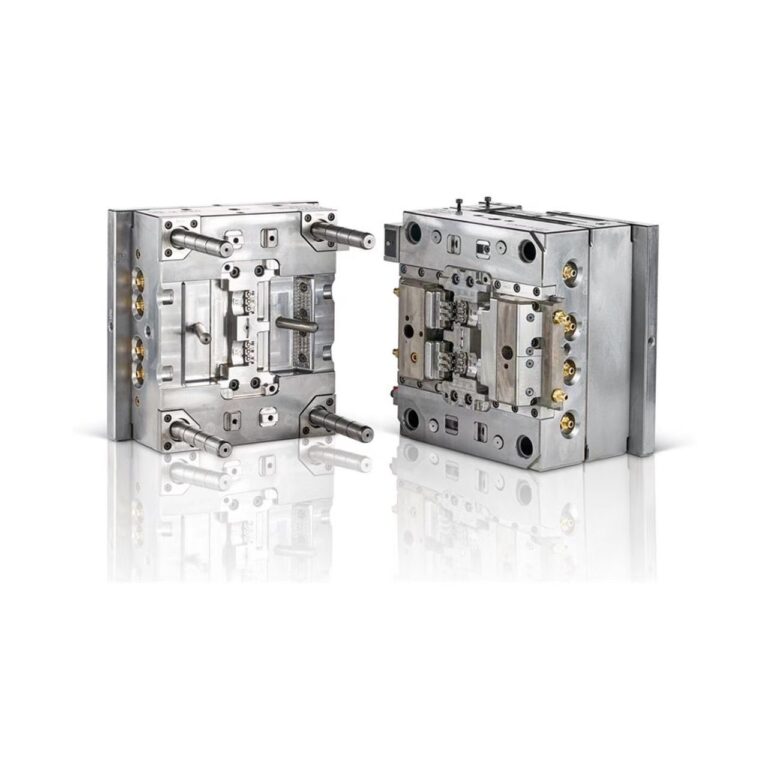
HecosTech’s custom injection mold projects consider the part, resin, mold structure, machine interface and expected mold life. Those details also help define what information the production team will need when the tool is handed over. Ask which drawings, component references and maintenance instructions are included in the agreed scope.
For an in-mold labeling mold, keep the tooling record associated with the packaging format and robot interface. A change to the tool should not become an undocumented change to the production cell. Confirm support arrangements separately; buying a mold does not by itself establish an ongoing maintenance contract.
Give Each Mold a Traceable Maintenance Record
Start with a tool identifier, part number, drawing revision, cavity identification and the installed configuration. Reference the relevant assembly drawings, cooling-circuit layout, component list and approved instructions. Identify the responsible mold owner, production contact and maintenance provider so that questions have a clear destination.
Record the usage information available for that mold, including the source of any cycle count and the date it was read. Progressive Components describes mold-usage counting as an aid to preventive-maintenance planning. That is an industry example, not a statement that every HecosTech mold includes a counter or monitoring package.
Keep the record with the tool when it moves between machines, storage locations or production sites. Note a replaced counter, revised insert or changed cavity configuration rather than silently continuing an old baseline. An unexplained count or an outdated drawing can make a later service decision difficult to interpret.
Set Intervals From Instructions and Operating History
Use the supplied mold and component instructions as the starting point for scheduled work. Distinguish calendar-based tasks from usage-based checks and condition-triggered investigation. The plan should say which basis applies, who reviews it and where the next due point is recorded. A design-life target is not a preventive-maintenance interval.
Mold-Masters’ maintenance offering illustrates that service scope and frequency are selected for the operation. Its service packages, parts policies, warranty terms and claimed savings belong to that manufacturer; they are not HecosTech commitments or a universal schedule for other tooling.
Review recurring observations with the responsible technical team. Record the resin and operating context, the observed condition and the reason for a proposed interval change. Do not extend a prescribed interval simply because production is busy, or shorten one without documenting what prompted the decision. Use the approved escalation route for abnormal conditions.
Separate Condition Evidence by Mold Function
Organize the checklist around the actual tool. For molding surfaces and vents, reference the areas identified in the approved inspection instructions and record the condition found. For ejection and moving features, identify the relevant pins, slides, lifters or mechanisms instead of marking every assembly as checked under one general line.
Cooling deserves its own record. Where measurements are available, identify the circuit, the measured quantity, the operating conditions and the comparison baseline. DME’s FloSense documentation shows how flow, temperature and pressure information can be logged for cooling-system review. It does not mean HecosTech supplies that device or that every project includes those measurements.
For a hot-runner mold, keep the hot-runner and controller documentation associated with the relevant components. Do not substitute a generic cleaning or electrical checklist for the manufacturer’s instructions. A burn mark, flash, sticking part or cooling concern is an observation to investigate, not proof that a particular component needs replacement or a specific machine setting must change.
Record the Finding, Action and Verification
A useful work entry names the date, tool, location or cavity, observed condition, approved action and responsible person. Reference photographs or measurements when they help explain the finding. Keep the initial observation separate from the work performed and from the evidence that the issue was resolved.
Where a component is replaced, retain its part reference, revision and the relevant work-order information. Record whether the work restores the approved configuration or introduces a proposed change that needs technical review. A part described only as ‘equivalent’ should not erase the need to confirm its suitability for that tool.
For example, an illustrative record might connect a repeat mark on one cavity’s parts to a specific inspection finding and then to the agreed verification results. This is a record structure, not a HecosTech customer case or a diagnosis. Keeping those connections makes the next review more useful than a note saying only ‘mold serviced’.
Keep Storage and Production Release Distinct
State whether the tool is ready for storage, awaiting work, or released for a defined production restart. Reference the applicable preservation and storage instructions without inventing a universal cleaning chemical, lubricant or treatment. Record the location, outstanding restrictions and the person responsible for the next action.
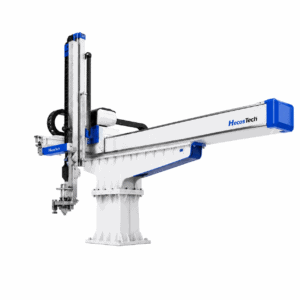
When a serviced mold returns to a production cell, the injection molding robot system still has its own setup and handling requirements. Identify any work that could affect interfaces or the agreed takeout arrangement. The responsible team should determine the required rechecks under the supplied documentation and site procedures.
Closing a maintenance work order is not automatically approval of the next molded parts. Keep the restart authorization, relevant part checks and unresolved findings visible. If servicing changed the approved tool configuration, establish what additional review is needed before treating an earlier sample approval as applicable to the revised arrangement.
Mold Maintenance Planning Questions
How Often Should an Injection Mold Be Serviced?
There is no single interval appropriate for every tool. Start with the supplied mold and component instructions, then use documented operating conditions and maintenance history when the responsible team reviews the plan. Keep calendar, usage and condition triggers explicit. An expected mold life or a generic online shot count is not a substitute for those requirements.
What Should a Mold Maintenance Log Include?
Include the tool and configuration identifiers, date and usage information, finding, affected location, approved work, parts changed, verification evidence and release status. Link supporting documents to that entry. Record open items and responsibilities so that a later operator or technician can distinguish completed work from a condition that still needs attention.
Discuss Your Tooling and Handover Requirements
Send HecosTech your part drawing, material, machine information and tooling requirements. Discuss the documentation and handover information needed within the custom mold quotation scope. Use email or WhatsApp to confirm project requirements; ongoing service, spare parts and maintenance arrangements must be agreed separately.