Injection mold trial samples help a project team compare the molded part with the agreed design and acceptance requirements. Before approving production, connect each sample to its drawing revision, review the relevant dimensions and assembly features, and record what still needs to be resolved.
A sample that looks right is a useful starting point, but appearance alone does not establish that a part fits its assembly or meets every agreed requirement. A clear sample review separates observations, measured results, open questions and the decision to proceed. This article is a buyer’s planning framework, not a machine-setting procedure or a claim that every project uses the same inspection package.
Plan the Review With the Tooling Project
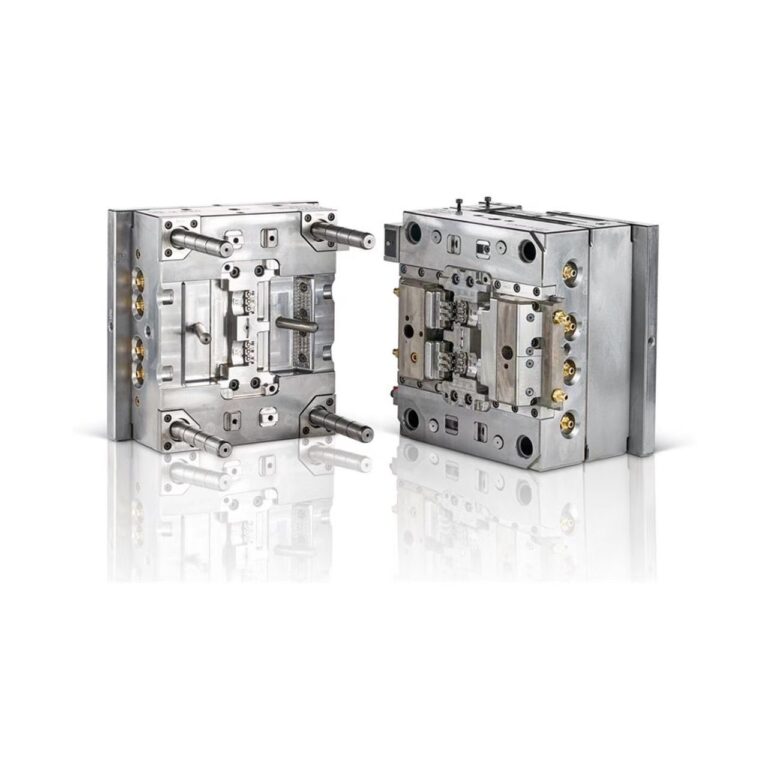
HecosTech’s custom injection mold offering starts from drawings, physical samples or product concepts and evaluates dimensional requirements, material, appearance and machine interfaces. Agree on how the resulting parts will be reviewed while those requirements are being defined.
Distinguish a request for tooling from a request for ongoing molded-part supply. A project for custom plastic containers, for example, also needs an agreed part-approval and production scope. Neither a product photograph nor a generic mold description establishes the tests included in a particular quotation.
Freeze the Basis for Sample Approval
Give the supplier and reviewer the same part number, drawing revision, material requirement and appearance reference. Mark the surfaces and features that matter to function or assembly. Record any changes accepted during design review so that an earlier drawing is not used to reject an intentionally revised feature.
Agree on the evidence required for each check. A dimension may need a measured result against a stated tolerance; an appearance area may need comparison with an agreed reference; an assembly feature may need a check with its mating component. Define who supplies those references and who can approve the result.
A physical reference sample can help communicate an existing shape or finish, but clarify whether it is a design reference or an approved production reference. It should not silently replace missing tolerances, material identification or functional requirements. Resolve those gaps before asking for an unconditional approval.
Review Dimensions, Appearance and Assembly Separately
Group findings by what they demonstrate. For dimensions, identify the feature, requirement, measurement method and reported result. For appearance, identify the surface and the agreed acceptable condition. For assembly, identify the mating part and the fit or function being checked. Keeping these records separate makes an ambiguous comment such as ‘the sample is good’ more useful.
Consider a container and its matching lid as an illustrative review, not a HecosTech case study. Looking at the container surface, measuring its opening and checking the lid fit answer different questions. A surface photograph does not answer the fit question; a successful fit check does not confirm every dimension or application requirement.
Protolabs’ injection-molding inspection overview distinguishes selected-feature reports from broader inspection options. This is a useful industry example of why the inspection scope should be explicit, not a statement that HecosTech provides the same reports, equipment or services. Confirm the required documentation with your project contact.
Keep the Samples and Trial Record Connected
Label the sample set so it can be connected to the part revision, trial and inspection results. Ask the supplier to identify the material used and any relevant differences from the intended production arrangement. Where the mold has multiple cavities, agree how cavity identity and sample coverage will be recorded instead of treating one loose part as evidence for every cavity.
Define the sample quantity and selection method for the actual project. There is no universal sample count in this article, and a small approved set is not a statistical guarantee for every future part. If a customer requires a formal sampling plan, capability study or specific approval document, make that requirement explicit before the trial.
Keep physical samples, photographs and reports associated with the same identifiers. If a later shipment contains revised samples, do not replace the earlier record without noting what changed. This makes it possible to compare the next review with the issue it was intended to address.
Close Findings With Specific Evidence
For each open item, record the observed condition, the relevant requirement, the requested action, the responsible party and the evidence needed to close it. Distinguish a measured nonconformity from a preference change or a missing piece of information. Those are different reasons for holding approval and may need different responses.
Ask the responsible technical team to evaluate any proposed mold, material, part-design or process change. Do not prescribe machine adjustments from a photograph or assume that a visible issue has only one cause. When a change is made, identify which checks need to be repeated and confirm that affected assembly or appearance requirements remain covered.
A new sample should be reviewed against the agreed revision and the open-item list, not just compared informally with the previous sample. Keep accepted deviations explicit and limited to their agreed scope. An unresolved requirement should remain visible rather than disappearing into a general approval email.
Define What the Approval Releases
State whether the decision approves the reviewed samples, authorizes another trial, accepts a defined deviation or releases a specified production stage. Name the sample set and revision. Record any remaining conditions, required evidence and the person responsible for the decision. Avoid wording that could be interpreted as approval of a different material, tool revision or production arrangement.
Fictiv’s published validation workflow describes trial-sample inspection and customer approval before scheduling production. It is an example of that supplier’s process, not a promised HecosTech timetable or included inspection service. Your project should define its own approval sequence and deliverables.
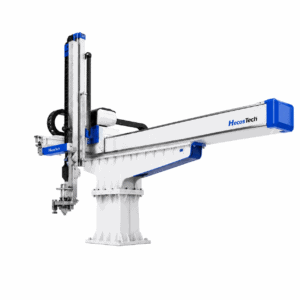
If automated takeout or transfer is part of the project, separate part approval from acceptance of the integrated handling sequence. The injection molding robot system has its own mold-access, handling and downstream requirements. Acceptable loose samples do not by themselves verify that the complete cell has been commissioned or that a quoted production target has been demonstrated.
Mold Trial Sample Questions
Does a First Trial Sample Mean the Mold Is Ready for Production?
Not by itself. Review the sample against the agreed requirements and identify which features and conditions were checked. Open findings, missing evidence or changes to the intended production arrangement may require further review. The approval should state exactly which stage can proceed; a trial number alone is not an acceptance decision.
Can Photos Replace Physical Sample and Inspection Review?
Photos can help document visible conditions, but they do not establish every dimension, fit or functional requirement. Agree which checks need measurements, physical samples, mating components or other evidence. Any application-specific testing or formal approval documentation must be confirmed separately, rather than assumed to be included in a standard mold quotation.
Discuss Your Mold Project
Send HecosTech your drawing revision, material requirement, relevant assembly information and proposed acceptance checks. Review the custom mold project scope, then use email or WhatsApp to discuss a project-specific quotation and the sample-review information needed.