Description
HT4-16A In Mold Labeling Robot Overview
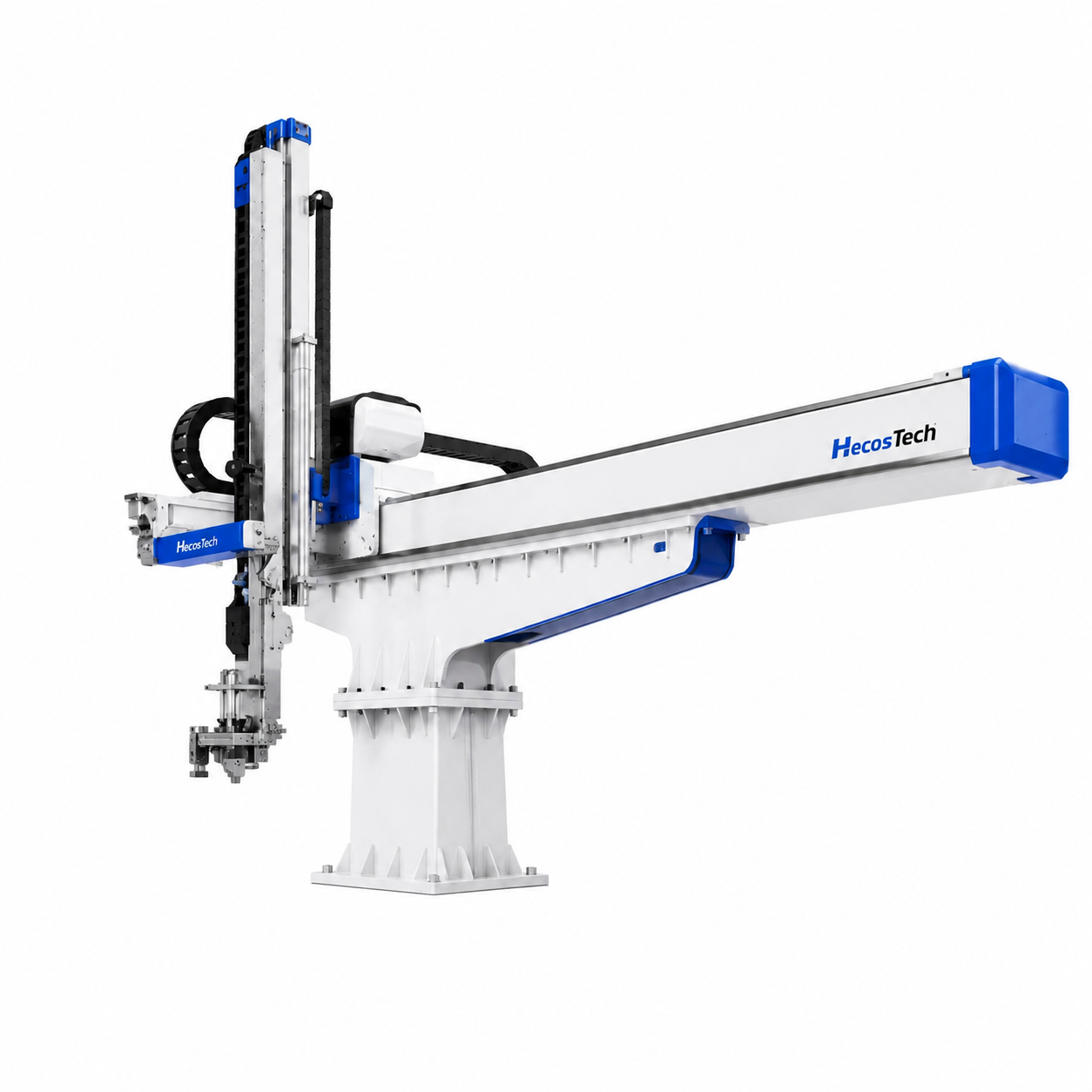
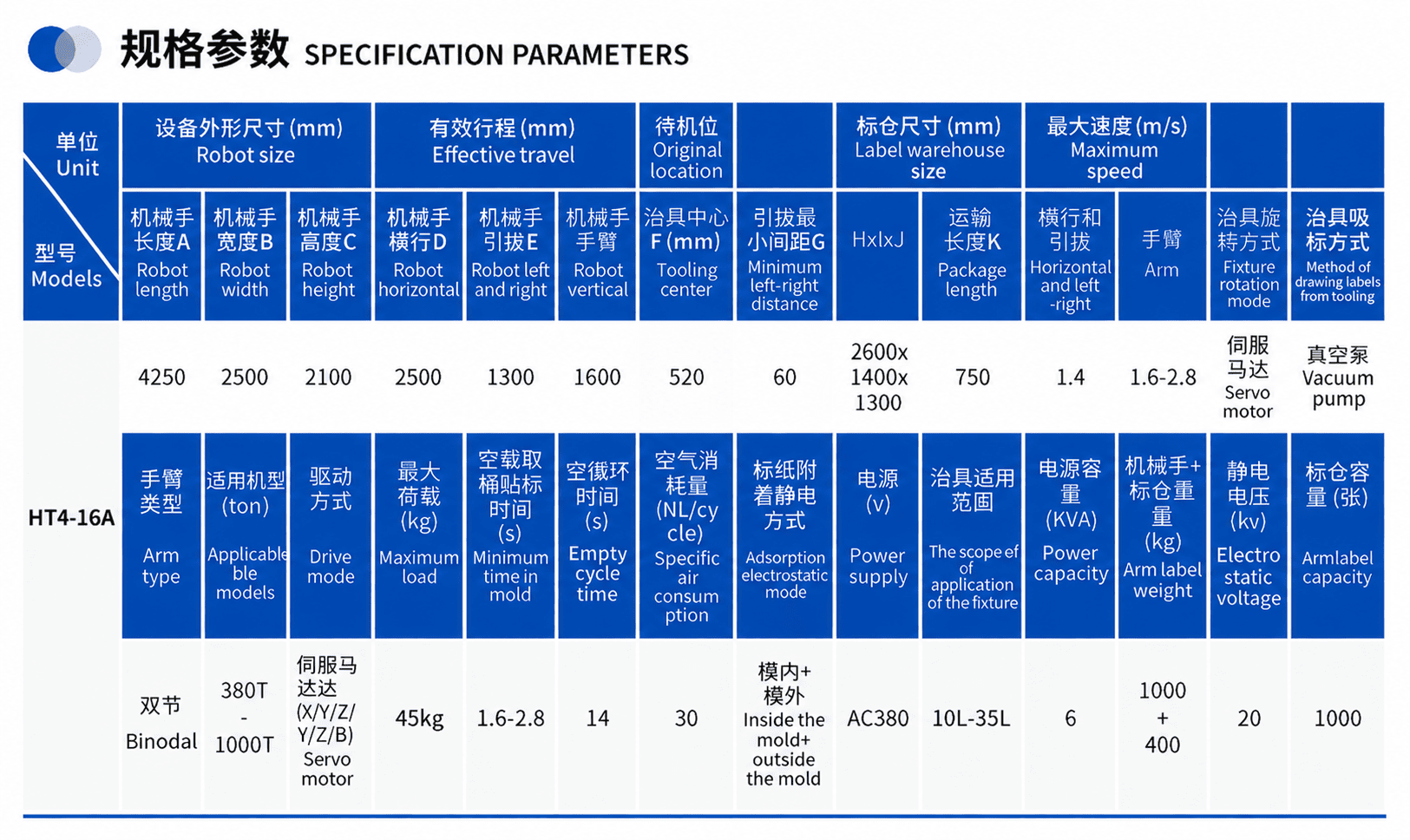
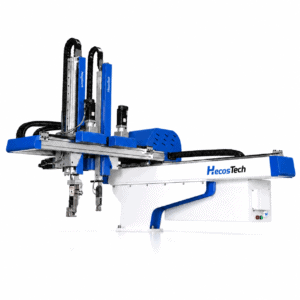
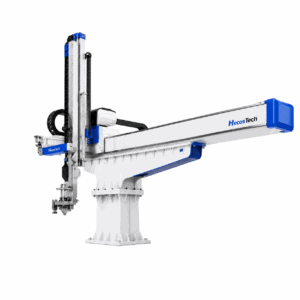
HT4-16A in mold labeling robot is designed for automated label insertion and product takeout during injection molding production. The system coordinates label feeding, label pickup, mold entry, product removal, and downstream placement in a controlled automation sequence. It is suitable for plastic container production projects that require repeatable label positioning, reduced manual handling, and stable IML operation. The robot configuration can be adapted according to the product design, mold structure, label specifications, and production requirements.
Servo Motion and Label Handling System
The HT4-16A in mold labeling robot uses servo-controlled motion to coordinate label pickup, mold entry, product takeout, and placement. The label handling system can integrate electrostatic adsorption and customized end-of-arm tooling to hold and position labels during the molding cycle. Tooling design, motion sequence, and label positioning method are configured according to the label material, container geometry, mold structure, cavity arrangement, and required production cycle.
Applications for Plastic Container IML Production
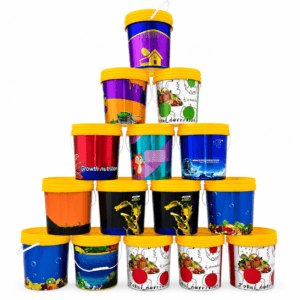
The HT4-16A in mold labeling robot can be configured for different plastic container applications, including food packaging, household products, chemical packaging, lubricant containers, and other injection molded packaging products. Round, square, rectangular, and application-specific container designs can be evaluated according to project requirements. Final robot selection should consider the product dimensions, weight, label size, labeling position, mold structure, cavity quantity, demolding method, and target production cycle rather than relying on container size alone.
HecosTech can also provide custom in mold labeling plastic labels matched to the container design, mold structure, and automation process.
Injection Molding Machine Integration and Project Matching
The HT4-16A in mold labeling robot is engineered to work as part of an integrated injection molding automation system. Final machine matching should consider tie-bar spacing, platen dimensions, mold opening stroke, ejector conditions, robot mounting position, signal interface, installation space, safety guarding, tooling load, and required cycle time. The robot and end-of-arm tooling should be confirmed according to the actual injection molding machine, mold, product, and production line conditions before manufacturing.
EUROMAP 67 provides a reference for the electrical interface between an injection molding machine and a handling device or robot.
HecosTech Custom IML Automation Solutions
Each HT4-16A in mold labeling robot system is configured according to the customer’s product, mold, label, injection molding machine, and production requirements. HecosTech can customize the label feeding system, electrostatic tooling, end-of-arm tooling, product takeout sequence, conveyor connection, stacking method, safety guarding, and downstream automation layout. To prepare an accurate technical proposal, customers should provide product drawings or samples, container dimensions and weight, label drawings and material, mold drawings, cavity quantity, injection molding machine information, target cycle time, factory layout, and required downstream operations.
Contact HecosTech to receive a project-specific IML automation proposal.
Frequently Asked Questions About the HT4-16A In Mold Labeling Robot
1. What products can the HT4-16A in mold labeling robot be used for?
The HT4-16A in mold labeling robot can be configured for different injection molded plastic containers and packaging products. Final suitability depends on the product dimensions, weight, label size, labeling position, mold structure, cavity arrangement, and target production cycle.
2. How does the HT4-16A position labels inside the mold?
The HT4-16A in mold labeling robot can use electrostatic adsorption and customized end-of-arm tooling to hold, transfer, and position labels inside the mold. The tooling design is matched to the label material, container geometry, mold structure, cavity arrangement, and labeling position.
3. Can the HT4-16A remove finished products after molding?
Yes. The HT4-16A in mold labeling robot can be configured to insert labels before injection and remove finished products after molding. The takeout sequence, placement method, conveyor connection, and stacking arrangement can be customized according to the production line.
4. Can the HT4-16A be integrated with different injection molding machines?
Yes. Final integration depends on the injection molding machine dimensions, tie-bar spacing, platen size, mold opening stroke, mounting position, interface signals, available installation space, tooling load, and required cycle time.
5. Can the HT4-16A be customized for different molds and labels?
Yes. The HT4-16A in mold labeling robot can be customized for different molds, labels, plastic containers, and production requirements. Robot travel, label feeding, electrostatic tooling, end-of-arm tooling, product takeout sequence, and downstream automation can be configured according to the project requirements.
6. What information is required for an HT4-16A technical proposal?
Customers should provide product drawings or samples, container dimensions and weight, label drawings and material, mold drawings, cavity quantity, injection molding machine information, target cycle time, factory layout, and required downstream operations. This information helps determine the appropriate robot configuration and automation layout.

Reviews
There are no reviews yet.