
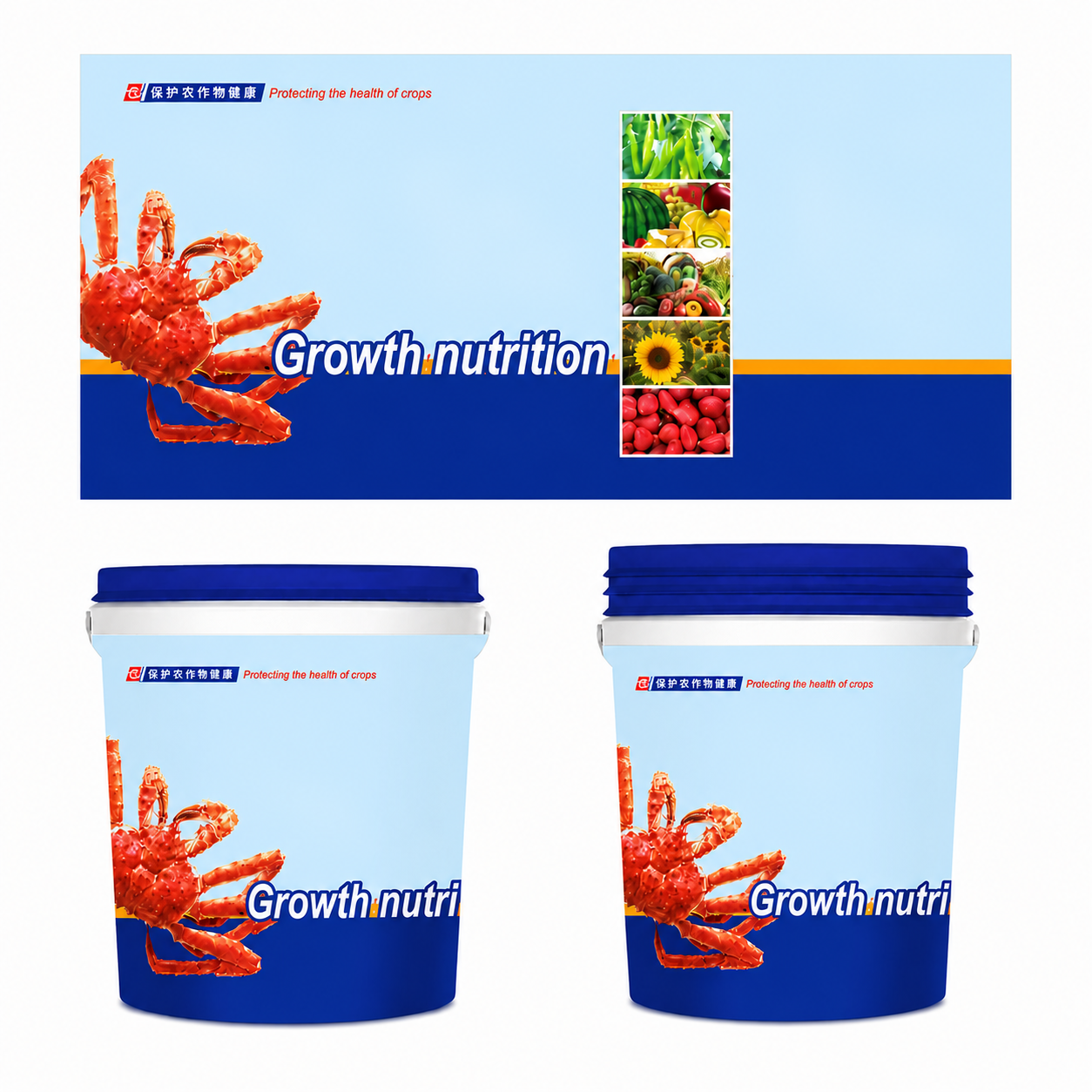
Description
In Mold Labeling Plastic Labels Overview
In mold labeling plastic labels are placed inside the mold before injection molding and become integrated with the molded plastic product during the production process. This labeling method combines product molding and decoration in one production cycle, reducing the need for a separate post-labeling process. Label specifications can be adapted according to the container shape, labeling area, artwork, mold design, robot handling method, and production requirements.
Custom Printing and Label Design
In mold labeling plastic labels can be customized according to product branding and packaging design requirements. Label size, shape, artwork, graphics, colors, and printing layout can be developed according to the plastic product and available labeling area. The final label design should also consider mold geometry, label positioning, robot pickup conditions, and the injection molding process to support accurate placement and consistent production.
Applications for Plastic Packaging
In mold labeling plastic labels can be configured for different injection molded packaging products, including food containers, plastic cups, tubs, lids, pails, buckets, dairy packaging, household product packaging, and other custom plastic products. Final label configuration depends on the product shape, labeling area, mold structure, packaging application, artwork requirements, and production process.
Mold, Robot and Injection Molding Integration
The IML label should be coordinated with the mold, injection molding machine, and IML robot as part of the complete production system. Project matching should evaluate label dimensions, positioning, mold geometry, robot pickup and placement method, electrostatic or other label holding requirements, mold opening conditions, product takeout sequence, and target production cycle. The label and automation configuration should be confirmed according to the actual molded product and production process before manufacturing. The In-Mold Decorating Association provides additional industry information about in-mold labeling technology and applications.
Agree the Finished Label Supply Record
For finished, pre-cut IML labels, compare the delivered labels and preparation conditions alongside the print design. Use the following record to connect a quotation, the received packages and the labels used in the production trial.
| Supply decision | Record to agree before use |
|---|---|
| Label identity | Reference the approved artwork and die-cut revision, supplier material grade, package or batch identification and delivered quantity. Keep the trial samples traceable to the received delivery. |
| Packaging and storage | Obtain the selected supplier’s instructions for protected packaging, storage, opening and any conditioning before use. Record package condition at receipt, damage or contamination, and any departure from those instructions. Confirm conditions for the actual label grade; do not assume one universal storage limit. |
| Stack and magazine presentation | Agree the pickup face, stacking direction, magazine presentation and replenishment method for the actual equipment. Confirm using production-cut labels supplied in the agreed pack format; an artwork PDF does not demonstrate feeding. |
| Trial release | Link the received label identification to the machine, mold and robot configuration used. Record feeding or placement issues and the agreed follow-up. Keep artwork approval, trial observations and permission to use the delivery as separate decisions. |
IML Labels describes marked, sorted and protected label deliveries; CloudFilm explains die-cut label stacking and single-label pickup. Use the selected supplier’s instructions for your shipment.
Discuss the label supply and trial requirements with your product, artwork and existing equipment details. Review the IML system scope when labels and automation are being considered together.
HecosTech Custom IML Label Solutions
Each IML label project can be configured according to the customer’s plastic product, mold, artwork, injection molding process, and automation requirements. HecosTech can coordinate label dimensions, artwork requirements, mold compatibility, robot handling conditions, product takeout sequence, and supporting automation as part of a complete IML production solution. To prepare an accurate proposal, customers should provide product drawings or samples, container dimensions, artwork files, mold information, labeling area, production requirements, and relevant injection molding information.
Contact HecosTech to receive a project-specific IML label and automation proposal.
Frequently Asked Questions About In Mold Labeling Plastic Labels
1. What are in mold labeling plastic labels?
In mold labeling plastic labels are labels placed inside the mold before injection molding. During the molding process, the label becomes integrated with the plastic product, allowing molding and decoration to be completed within the same production cycle.
2. Can in mold labeling plastic labels be customized?
Yes. Label size, shape, artwork, graphics, colors, labeling area, and other requirements can be customized according to the plastic product, mold design, branding requirements, and production process.
3. What products can use in mold labeling plastic labels?
In mold labeling plastic labels can be used for different injection molded packaging products such as food containers, cups, tubs, lids, plastic pails, buckets, dairy packaging, and other custom plastic products.
4. How are IML labels placed inside the mold?
An IML robot typically picks up the label and places it at the required position inside the mold before injection molding. The exact handling method depends on the label design, mold structure, robot configuration, and production process.
5. Do IML labels need to match the mold and robot?
Yes. Label dimensions, positioning, pickup conditions, and shape should be coordinated with the mold structure and IML robot handling method to support accurate label placement and stable production.
6. What information is required for a custom IML label proposal?
Customers should provide product drawings or samples, container dimensions, artwork files, mold information, labeling area, injection molding information, and production requirements.