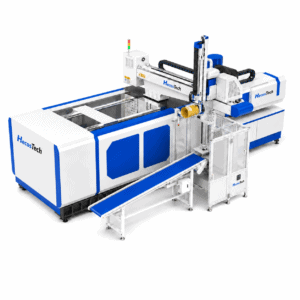
HecosTech supports custom drone housings from injection mold development and molded plastic part production to automatic takeout and handling.
Drone housing injection molding is used to manufacture repeatable plastic enclosures for UAV body structures, batteries, electronics, sensors and other protected components. Depending on the enclosure design, these parts may also be described as a drone shell, UAV shell or drone plastic shell. Housing design must balance low weight with the strength, assembly features and protection required by the actual drone application.
Commercial, industrial and agricultural UAVs can require very different housing sizes and structures. A compact sensor enclosure may use thin walls and small mounting features, while a larger agricultural drone may require larger covers or housings around electronics and operating systems.
HecosTech is a China manufacturer supporting custom drone plastic housings, injection molds, molded plastic parts and injection molding automation. Mold design and robot takeout requirements can therefore be evaluated together before production begins.
Which Drone Housings and Plastic Shells Can Be Injection Molded?
Many drone plastic housings can be produced by injection molding when the component geometry, material and production volume are suitable.
Typical applications include:
Upper and lower UAV body housings and drone plastic shells
Electronics enclosures
Sensor housings
Battery covers and battery housings
Camera and gimbal covers
Flight-control electronics covers
Protective equipment housings
Agricultural drone system covers
Injection molding is particularly relevant when a housing needs repeatable geometry across batch production. The process can also integrate ribs, bosses, clips, screw locations and other assembly features directly into the plastic component. Injection molding design guidance emphasizes wall thickness, draft, ribs and other moldability features because they affect filling, cooling and part release.
Not every UAV housing should automatically be plastic. Where very high structural loading, extreme temperature or other requirements dominate, metal or composite manufacturing may be more appropriate.
Designing a Lightweight Drone Plastic Housing
Weight reduction is important for many UAV applications, but simply making the housing wall thinner is not always the correct solution.
A well-designed injection molded drone housing can use appropriate wall thickness, ribs and local reinforcement to provide the required stiffness while controlling material usage. Uniform wall thickness can also help reduce molding problems such as sink marks and warpage. Injection molding design guidance specifically identifies wall thickness, ribs, bosses and draft as important part-design considerations.
Mounting points for electronics, sensors, batteries or other assemblies should also be considered during housing design. These features influence both the molded part and the mold structure.
Mold Design for Drone Housing Injection Molding
The mold for drone housing injection molding must be developed around the actual enclosure. A drone shell mold should match the specific shell geometry, assembly features and production requirements rather than using a generic mold layout.
Parting line, gate position, cooling, ejection, undercuts and surface requirements can all change according to the housing geometry. Large covers may also create different filling and warpage considerations from smaller electronic or sensor enclosures.
If the finished housing will be removed automatically, robot access should be considered during mold development. The molded part needs a predictable release position and suitable gripping area for the end-of-arm tooling.
Automated Takeout for UAV Plastic Housings
HecosTech HT3, HT4 and HT5 T-series robots can be configured for automatic takeout and handling of injection-molded UAV housings.
HT3 provides 3-axis configurations, HT4 provides 4-axis configurations and HT5 provides 5-axis configurations. The final series and model should be selected according to housing size, mold, injection molding machine, payload, travel and required handling movements.
For housings or connector components containing threaded inserts, terminals, nuts or bushings, insert molding automation can also be evaluated according to the actual product structure.

Planning a Custom UAV Housing Project?
HecosTech can support your drone housing project from custom mold development and molded plastic part production to automatic takeout and handling.
Drone Housing Injection Molding for Different UAV Applications
Drone housing injection molding can be adapted to different UAV applications rather than using one standard housing design for every drone.
Agricultural UAVs may require larger protective covers and housings around electronics, control systems or operating components. Industrial inspection drones may use smaller sensor enclosures, camera covers and internal mounting structures. Commercial UAVs may prioritize compact, lightweight housings and battery covers.
For each project, HecosTech evaluates the actual housing geometry, mold requirements, molded part production and later automation needs before developing the manufacturing solution.
Why Choose HecosTech for Drone Plastic Housings?
HecosTech is a China manufacturer supporting UAV projects with custom injection molds, drone plastic shells and housings, molded components and injection molding automation.
For a drone housing injection molding project, HecosTech can support:
Custom UAV housing injection molds
Injection-molded drone plastic housings
Mold trial and production evaluation
HT3, HT4 and HT5 T-series takeout robots
Automatic handling after molding
Insert molding automation where required
This allows the housing, mold and automation requirements to be considered together before stable production begins.
Drone Housing Injection Molding FAQs
What information is needed for a custom drone housing?
A 3D drawing or sample is the best starting point. Material requirements, assembly features, expected quantity, surface requirements and operating environment are also useful for evaluating the housing and mold.
Can HecosTech produce both the mold and drone housing?
Yes. HecosTech can support both the custom mold and injection-molded UAV housing according to the actual project.
For repeated production, drone housing injection molding can also be combined with automatic part takeout.
Which robot can take out molded UAV housings?
HT3, HT4 and HT5 T-series robots can all be configured for UAV plastic housing takeout. The specific model depends on the injection molding machine, mold, housing size, payload, robot travel and required movements.
Send HecosTech your UAV housing drawing, sample, mold requirements or production information. We can evaluate the plastic housing, injection mold and automation solution for your project.