
Description
Plastic Bucket Mold Applications
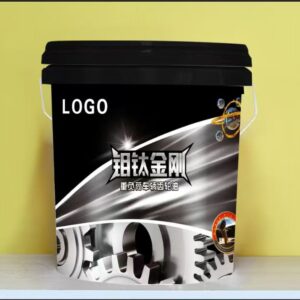
Plastic bucket mold solutions from HecosTech are developed for paint packaging, food packaging, chemical products, lubricants, household cleaning products and industrial storage applications. As a specialized plastic packaging mold, each project is designed according to the bucket capacity, product structure, plastic material, required output and injection molding machine specifications.
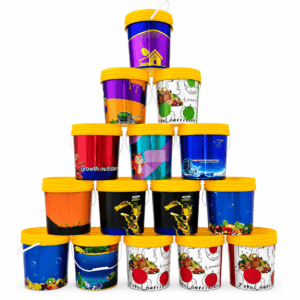
Typical applications include paint buckets, food pails, lubricant buckets, detergent containers, waterproof coating buckets, chemical pails and household storage buckets.
The mold can also be developed as an IML injection mold for decorated buckets and pails. Label dimensions, handle positions, bucket wall thickness, cavity layout, product removal and stacking requirements should be evaluated together during mold and automation development.
Custom Plastic Bucket Mold Design
Each plastic bucket mold project is evaluated according to the bucket diameter, height, capacity, wall thickness, plastic material, handle structure, lid fitting, cavity number and required molding cycle.
Available configurations may include single-cavity or multi-cavity layouts, hot runner or cold runner systems, customized gate designs, optimized cooling channels and automatic ejection systems. The mold design should provide balanced filling, uniform cooling, reliable demolding and dimensional stability around the bucket rim, handle lugs and lid sealing area.
For food-contact bucket projects, the selected plastic material and finished container should be evaluated according to the requirements of the destination market. Products supplied to the European Union may need to comply with Regulation (EU) No 10/2011 for plastic materials and articles intended to come into contact with food.
Bucket Body, Lid and Handle: Define the Quotation Scope
Complete a scope record for each component in the proposed bucket project. Mark the tooling, component supply and operations as included, excluded or buyer-supplied, with the responsible party identified for each item.
| Project item | Scope and handoff to define |
|---|---|
| Bucket body | Identify the body drawing revision and the tooling or supplied-body scope. State the label or decoration status of the body leaving the mold and identify the takeout-to-next-operation handoff. |
| Lid | List any lid tooling or supplied lids, or identify the buyer’s existing lid reference. State where lids enter the proposed process and whether they remain separate or a lid-fitting operation is included. |
| Handle | State whether handle tooling, handle supply or attachment is in scope. If attachment is included, define the incoming body/handle state, responsible supplier and outgoing state handed to the next operation. |
Use the quotation and proposed layout to associate each included operation with its incoming components, outgoing state and receiving party. Record missing component references and unresolved handoffs for confirmation. These entries define the proposed scope; they do not establish that a particular tool, component or assembly operation is included.
Keep the injection mold scope, finished pails and buckets and takeout automation discussions connected to the same component references.
Include the completed component scope, drawing revisions and open handoff questions in your bucket mold engineering enquiry so the proposed responsibilities can be reviewed together.
Complete Plastic Bucket Production Solutions
In addition to the plastic bucket mold, HecosTech can coordinate injection molding machines, IML robots, takeout robots, visual inspection equipment, conveyor systems and automation systems for plastic bucket production.
For IML buckets, review label handling, mold access, cavity arrangement, takeout and stacking with the actual bucket and machine/mold data. Use the IML robot equipment range for label-placement equipment and the takeout robot range for handling tasks. Confirm the proposed configuration, part and EOAT masses, motion path, receiving position and included equipment before selecting a model; a container-volume band alone does not approve the application.
Project Information
The project inputs below help define the mold and its interfaces with labeling, takeout, inspection and stacking.
- Bucket drawing or sample, capacity and dimensional requirements
- Plastic material, intended product use and surface requirements
- Lid fitting, handle structure and label requirements where applicable
- Expected production requirement and cavity discussion
- Available injection molding machine dimensions and supporting automation information
For related packaging tooling, review the plastic packaging mold page. IML bucket projects can also review the IML injection mold page.
Bucket Mold FAQs
What should I send for a quotation?
A bucket drawing or sample, capacity, material information, lid or handle requirements, expected production requirement and available machine details provide a practical basis for a plastic bucket mold discussion.
Can the project include IML or handling?
Yes. When the production process requires it, the mold discussion can include the interface with IML robots, take-out robots, visual inspection equipment and conveyor systems.
How do I start a project?
Share the available bucket, label and production information through HecosTech contact so the project scope can be reviewed before a solution is proposed.
Customers may request an individual mold or a complete production solution combining the mold, injection molding machine, robot, inspection equipment and supporting automation. Contact HecosTech to request a plastic bucket mold quotation based on your bucket drawing, sample, label artwork and production requirements.