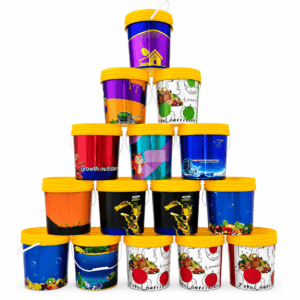

Description
Container Overview
Evaluate the container body, opening and matching lid or closure as one packaging product. Dimensions, labeling area, stacking and handling requirements define the design. Where the enquiry includes tooling or automation, review mold structure, demolding and product takeout alongside the finished-container requirements.
Compare Capacity and the Actual Fill Requirement
A quoted container size is not a complete filling specification. State the amount you intend to pack and agree which capacity reference each proposal uses. Keep the container, matching lid or closure and intended filling use connected.
| Purchase requirement | Reference to agree |
|---|---|
| Required fill | State the contents, required amount and unit. Identify the applicable container variant and fill reference, such as a drawing or sample level, and the conditions to which the request applies. |
| Declared capacities | Record supplier-declared nominal and brimful values separately where provided. Ask for the units, applicable closure condition and measurement basis; mark any unconfirmed field. |
| Actual closed pack | Review the intended fill level with the selected lid or closure. Agree any required remaining free space for the actual contents and intended filling, transport, storage and emptying. |
Compare the same container and closure drawing revision and sample reference. Agree the comparison conditions, record whether a result is proposed or observed, and retain the evidence reference and open filling or closure questions.
SAIER’s product finder lists nominal and brimful volumes separately. An industry-association rigid-packaging Q&A considers the container with its closure and intended filling use. Agree the basis for your actual packaging project.
Review the wider custom plastic packaging scope or request a container proposal with the required fill, closure reference and open comparison items.
Container Design Options
Custom plastic containers can be configured according to product function, branding, filling requirements, storage, transportation, and packaging presentation. Design factors may include container geometry, dimensions, lid or closure structure, surface decoration area, artwork, stacking method, and handling conditions. When the container is designed for in-mold labeling, the labeling area, label dimensions, mold geometry, and robot handling method should also be coordinated as part of the container development process.
Compare Inside Space, Opening Access and Outside Size
For a container that must hold a solid item or fit a defined receiving space, compare three geometry decisions. Capacity and a single set of overall dimensions do not describe all three. Use the same body, lid or closure and handle configuration throughout the review.
| Fit decision | Drawing or sample reference |
|---|---|
| Usable inside space | Show the actual item arrangement and the minimum usable internal space it needs. Mark the measurement section and height, relevant internal features and any space occupied by the closed lid in the proposed design. Review the limiting section; do not derive internal length, width or depth from litre capacity or outside dimensions. |
| Opening and access path | Show how the item is inserted and removed. Identify the clear opening and any limiting rim or closure features, together with the intended orientation and path. An item that fits in its final position still needs a separate check that it can pass through the opening. |
| Closed outside envelope | Identify the maximum outline with the selected lid and specified handle positions, where applicable. Compare it with the intended shelf, receiving space, handling equipment or outer pack. State which features are included; body-only dimensions may leave out part of the closed package. |
Agree the measurement points, units, tolerances and review conditions for the relevant drawing revision. Record which dimensions are proposed and which have been checked on a sample. Keep unresolved fit or access questions open before releasing that configuration.
As an example of a stated measurement basis, Really Useful Products distinguishes minimum internal dimensions from the maximum outline with its lid and handles. That convention describes its boxes; agree the basis for your own design. Protolabs explains that molding draft can affect form and fit, so review the actual geometry without assuming parallel walls or a universal draft angle.
Carry the marked drawing, item reference and open geometry decisions into the sample approval record and your container enquiry.
Container Types
Compare cups, tubs, containers with matching lids, pails and buckets for food, dairy, household or industrial packaging. Opening and closure fit, decoration, stacking and handling requirements determine the container configuration.
Review Lid Fit and Filled-Pack Containment Separately
A lid that seats on a container and a filled package that retains its contents answer different purchase questions. Specify the function required of the proposed container-and-closure combination; not every design is intended to be leak-tight.
| Decision | Evidence to agree |
|---|---|
| Fit and closure operation | Identify the matching body and closure revisions. Review how the closure is applied, retained and opened, and agree the relevant fit and functional checks. This addresses assembly and operation; it does not by itself establish containment during storage or handling. |
| Containment, if required | Define the actual contents, filled and closed configuration, and relevant use, storage or transport conditions. Agree the leakage or ingress requirement that applies and the evidence needed to assess it. A lid-fit sample alone does not answer that requirement. |
Keep separate decisions for the same package revision: whether closure fit and operation are accepted, and whether any required containment has been evaluated. Identify the evidence still needed and who supplies and reviews it before confirming the finished-container requirement.
Smithers’ closure and seal overview distinguishes mechanical performance from leakage assessment. ZwickRoell’s packaging examples include lid opening and closing checks. These are external examples, not HecosTech tests or package ratings. Review your container and closure requirements with HecosTech.
Finished Containers and Tooling
For an enquiry, state whether you need finished injection molded containers, a new mold, or support with the molding and handling process. A container drawing or sample, dimensions, intended use, lid requirements and decoration requirements provide a starting point. Existing mold and machine details are relevant when the project includes production integration.
If the requirement is tooling for your own production, see our plastic packaging molds. For automated takeout and downstream handling, review the injection molding automation system.
Mold and Automation Requirements
The container design should be coordinated with the mold and injection molding production process before manufacturing. Project evaluation should consider container geometry, mold structure, cavity arrangement, demolding conditions, product takeout direction, available robot access, stacking or conveyor requirements, and downstream operations. For automated production, the mold, container, takeout robot, IML system, and supporting equipment should be configured according to the actual production process and factory layout. For large injection molded containers, these checks should be agreed with the mold and handling plan before a quotation is finalized; the required dimensions and production conditions should be supplied with the project brief.
The In-Mold Decorating Association provides additional industry information about in-mold labeling technology and plastic packaging applications.
Review Your Finished Container Order
Material and Intended Use
State the actual contents and product contact conditions, destination market, and requested resin, color and appearance. Identify any material or regulatory requirements for the project; suitability must be confirmed for the actual material and use.
Quantities and Product Variants
Provide the initial quantity, expected repeat demand, and each size, color or artwork variant. Identify which product revision and variants the enquiry covers. Review additional variants as changes to the agreed product.
Sample Review and Order Release
Agree the sample reference revision and requested closure fit, appearance, stacking and handling checks. Record trial findings and unresolved items, and state what any approval releases. Confirm packing, destination and required records before order release. Include these requirements with your finished-container enquiry.
Define Parcel and Unitized Delivery Separately
Identify the journey being reviewed: empty containers delivered for filling, or the customer’s filled and closed pack shipped onward. Then show how that shipment travels. A container sample and a pallet arrangement describe different parts of the proposed distribution configuration.
| Shipment arrangement | Decision for the proposal |
|---|---|
| Individual parcel | Identify the container or filled pack inside the shipping package, its closure and any proposed outer packaging or internal protection. State how it enters the parcel network. ISTA notes that orientation is not guaranteed in parcel delivery; upright-only use assumptions need review for that journey. |
| Unitized load | Identify the grouped packages, load carrier and proposed securing arrangement. Show whether the load remains together to destination or is broken down for further handling. Evidence for the grouped load may need to be supplemented by individual-package assessment when that later stage exists. |
ISTA’s procedure overview distinguishes parcel and unitized-load shipment contexts. Its selection guidance explains why the actual distribution flow and load breakdown matter. Agree any required assessment and its evidence for the actual shipment configuration.
Agree who supplies the containers, closures and shipment packaging, who packs or assembles the load, and who provides any required assessment. Record which journey and configuration its evidence covers. Carry open distribution questions into the sample approval record and your container enquiry.
Project Scope and Proposal
Each custom plastic container project can be configured according to the customer’s product, packaging design, mold, injection molding process, and automation requirements. HecosTech can coordinate container design, mold development, IML labels, robot handling, product takeout, conveyor connection, stacking or placement, and supporting automation according to the project.
Contact HecosTech to receive a project-specific custom plastic container and automation proposal.
Explore our custom food packaging containers, custom plastic pails and buckets, and custom in-mold labeled containers for more specialized packaging applications.
Plastic Container FAQs
1. What container types can you supply?
Custom plastic containers can be developed for different injection molded packaging applications, including food containers, cups, tubs, dairy packaging, household product containers, pails, buckets, and other plastic packaging products.
2. Which container features can be customized?
Custom plastic containers can be developed according to the required shape, dimensions, opening design, lid configuration, artwork, labeling area, stacking method, mold structure, and production process. The final configuration depends on the packaging application and manufacturing requirements.
3. Can the containers use IML?
Yes. Containers designed for IML can be coordinated with the label, mold, injection molding machine, and IML robot so that label insertion, molding, product takeout, and downstream handling can be integrated into the production process.
4. Do the containers need a custom mold?
The mold should match the specific container geometry and production requirements. Final mold configuration depends on container shape, dimensions, cavity arrangement, demolding conditions, labeling requirements, and the injection molding process.
5. Can container production be automated?
Yes. Depending on the project, plastic container production can integrate robotic takeout, IML label insertion, conveyors, stacking, inspection, placement, and other downstream automation equipment.
6. What should I send for a proposal?
Customers requesting finished containers should provide a container drawing or sample, dimensions, intended use, matching lid or closure requirements, and artwork or decoration requirements. If tooling or production integration is also required, include available mold and machine details, target production requirements, and required downstream operations.